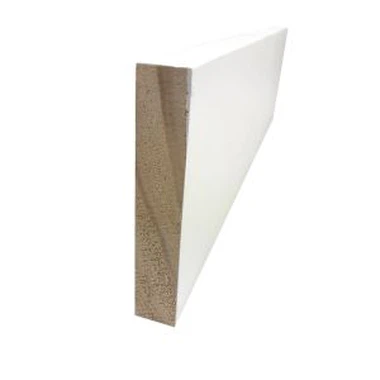
Do wood baseboards serve any functional purpose beyond aesthetics?
Feb 20, 2024
Yes, wood baseboards serve several functional purposes beyond aesthetics:
Protection: One of the primary functions of wood baseboards is to protect the bottom of walls from damage. They act as a barrier against scuffs, kicks, vacuum cleaner bumps, and other potential impacts that can occur in high-traffic areas. By providing a buffer between the wall and the floor, baseboards help preserve the integrity of the walls, reducing the need for repairs and maintenance over time.
Concealment: Baseboards conceal the joint between the wall and the floor, hiding any gaps or imperfections that may exist in this area. This creates a clean and polished look, enhancing the overall appearance of the room.
Transition: Wood baseboards also serve as a transition between different types of flooring materials. They help create a seamless visual transition between carpet, tile, hardwood, or laminate flooring, providing a finished look to the room.
Wire Concealment: In some cases, baseboards may incorporate channels or hollow spaces behind them, allowing for the concealment of electrical wiring or cables. This helps maintain a tidy and organized appearance in rooms with wall-mounted electronics or electrical outlets.
While wood baseboards undoubtedly enhance the aesthetic appeal of a room, their functional benefits extend to protecting walls, concealing imperfections, facilitating smooth transitions between flooring materials, and even providing a discreet solution for wire management.