Wainscoting: History, Functionality, and Popular Styles Explained
Jul 09, 2025
Understanding Wainscoting: 4 Key Types Explained

Wainscoting is a type of wall covering laid over the lower portion of a wall to contribute to the decor or support the room's overall construction or both.
Wainscoting is wood paneling applied to the lower portion of a wall inside a home, especially in the dining room, living room, or entryway. In old houses-especially those dating to the seventeenth and eighteenth centuries-this wall treatment supported fragile walls, contributing to a home's overall durability.
In the eighteenth-century homes of Europe and New England, wooden-panel wainscoting became popular among wealthy families for both pragmatic and aesthetic reasons. In modern times, wainscoting has become primarily decorative-part of a home's interior design plan to add texture or visual interest to a room.
The Functions of Wainscoting: More Than Just Wall Panels
Wainscoting is not only a stylish architectural feature, but also a versatile wall treatment that serves both aesthetic and functional purposes. Whether used in classic, transitional, or modern interiors, it offers a range of benefits that go beyond simple decoration. Here are the key reasons why wainscoting continues to be a popular choice in interior design:
1. Thermal Insulation and Wall Reinforcement
2. Protecting the walls
3. Enhanced Interior Aesthetics
4. Improved Proportions and Visual Interest


Common Types of Wainscoting: Construction and Style Explained
1. Wall-Panel Wainscoting
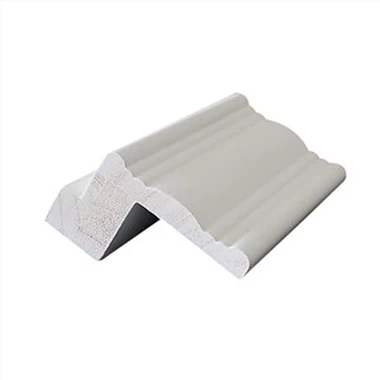
Wall-panel wainscoting is one of the simplest and most accessible styles, making it ideal for DIY projects. In this method, decorative molding strips (also known as moulding) are applied directly to the surface of the wall-whether drywall or plaster-to form a series of rectangular or square frames. Once painted, the molding creates the illusion of inset panels, giving the wall added depth and architectural interest without complex carpentry.
Best for: Quick upgrades, budget-friendly projects, and transitional spaces.
2. Flat-Panel Wainscoting (Shaker or Board and Batten)
Flat-panel wainscoting-often referred to as Shaker-style or board and batten-is a versatile option that blends traditional craftsmanship with a modern, clean look. This style involves attaching flat boards (commonly plywood or MDF) to the wall, followed by vertical battens and sometimes horizontal rails to form a grid-like or rectangular pattern. The panels are recessed rather than raised, offering a sleek and minimalist feel.
Best for: Craftsman homes, minimalist interiors, or modern farmhouse aesthetics.
3. Beaded-Panel Wainscoting (Beadboard)
Beadboard wainscoting features long, narrow vertical planks with distinctive grooves or "beads" running between each board. It is typically sold in large sheets or planks and can be trimmed with molding at the top for a finished look. Beadboard adds texture and a charming, cottage-style vibe, making it especially popular in kitchens, bathrooms, and mudrooms.
Best for: Coastal, cottage, or traditional country-style interiors.
4. Raised-Panel Wainscoting
Raised-panel wainscoting is the most classic and elegant of the four styles, often found in formal, historic settings. This type involves beveled wood panels that are set into the frame so that the center panel appears to "raise" out toward the room. The beveled edges require skilled craftsmanship, making it a more complex and labor-intensive option. It's commonly seen in richly paneled rooms, such as Victorian parlors or stately dining rooms in English manor houses.
Best for: Formal dining rooms, libraries, traditional or historic homes.