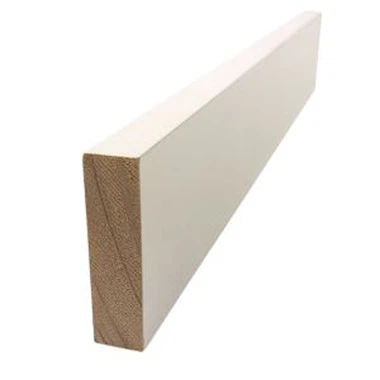
What is wood moulding?
Mar 18, 2024
Wood molding, also known as trim or moulding, refers to decorative strips of wood used to enhance the appearance of interior spaces. It is commonly installed along the edges of walls, ceilings, floors, and other architectural features to create visual interest and provide a finished look. Wood molding comes in various profiles and styles, ranging from simple and understated designs to intricate and ornate patterns.
 Wood molding serves several purposes, including:
Decorative Enhancement: Wood molding adds architectural detail and decorative flair to interior spaces, enhancing the overall aesthetic appeal of a room.
Concealing Imperfections: Molding can be used to cover joints, gaps, or uneven transitions between different surfaces, helping to create a smooth and cohesive look.
Protection: Molding helps protect vulnerable areas of walls, ceilings, and floors from damage caused by impact, wear, and moisture.
Transitioning Between Surfaces: Molding provides a transition between different materials or surfaces, such as where walls meet floors or ceilings, creating a visually pleasing transition.
Common types of wood molding include baseboards (skirting boards), crown molding, chair rails, picture rails, door and window casings, and decorative trim. Wood molding is typically made from solid wood or engineered wood products like MDF (medium-density fiberboard) and is available in various species, finishes, and sizes to suit different design preferences and architectural styles. Installation of wood molding may require cutting, mitering, and fastening with nails or adhesive to achieve a professional and polished finish.