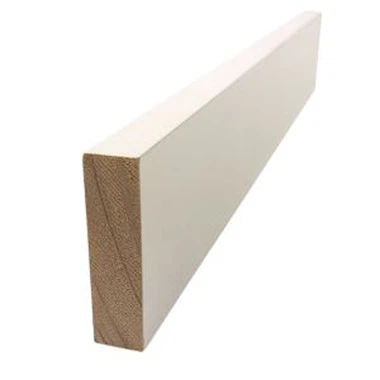
Can wood baseboards be installed in bathrooms or kitchens?
Mar 06, 2024
Yes, wood baseboards can be installed in bathrooms or kitchens, but it's important to take certain precautions to protect them from moisture and potential water damage. Both bathrooms and kitchens are areas where moisture levels can be higher due to activities like cooking, bathing, and washing.
Here are some considerations when installing wood baseboards in bathrooms or kitchens:
Moisture-Resistant Materials: Opt for moisture-resistant wood species such as cedar, teak, or cypress, or consider using engineered wood products like MDF (medium-density fiberboard) that are specially designed to withstand moisture.
Sealing and Finishing: Apply a waterproof sealant or finish to the wood baseboards to provide an extra layer of protection against moisture. This helps prevent water absorption and reduces the risk of warping, swelling, or rotting.

Proper Installation: Ensure that the wood baseboards are installed properly with tight joints and sealed edges to minimize the entry of moisture. Use waterproof adhesive or caulking to seal gaps between the baseboards and the wall or floor.
Maintenance: Regularly inspect and maintain the wood baseboards in bathrooms or kitchens to ensure they remain in good condition. Promptly repair any damage or signs of water infiltration to prevent further deterioration.
Ventilation: Adequate ventilation is essential to reduce humidity levels in bathrooms and kitchens. Install exhaust fans or ventilation systems to help remove moisture from the air and prevent condensation buildup on surfaces, including wood baseboards.
Splash Zones: Be mindful of areas prone to water splashes, such as around sinks, bathtubs, and showers. Consider installing tile or other waterproof materials in these splash zones to provide additional protection for the baseboards.
By taking these precautions, you can enjoy the aesthetic appeal of wood baseboards in bathrooms or kitchens while minimizing the risk of moisture-related damage.