


How to Choose Baseboard for Your Home
Jun 11, 2025
Introduction to Baseboards in Home Design
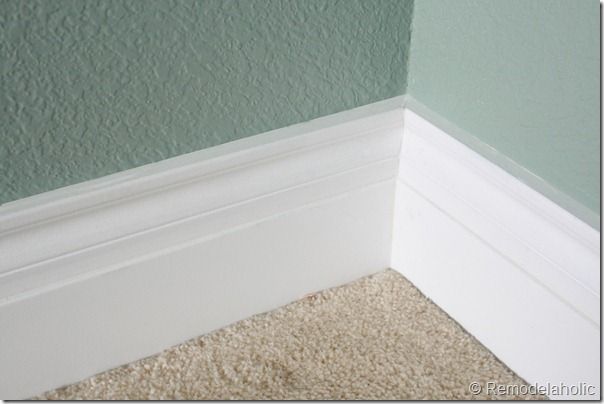
Why Baseboards Matter
Aesthetic Appeal: Baseboards create a seamless transition between walls and floors, adding visual depth and a polished look. They can complement or contrast with other design elements, like crown molding or wall colors, to enhance a room's style.
Protection: They shield wall finishes (e.g., paint, wallpaper) from damage caused by furniture, vacuum cleaners, or foot traffic.
Concealment: Baseboards can hide gaps, uneven edges, or imperfections where the wall meets the floor, especially in older homes or with certain flooring types.
Common Baseboard Options
There are several baseboard styles and materials to choose from, each suited to different design aesthetics, budgets, and practical needs. Here's a breakdown of the most popular options:
Wood:
Classic and versatile, solid wood baseboards (e.g., oak, pine, maple) offer durability and a premium look. They can be stained or painted to match your design. Best for traditional or high-end homes but can be pricier.
MDF (Medium-Density Fiberboard):
A cost-effective alternative to wood, MDF is smooth, easy to paint, and resists warping. It's ideal for modern or budget-conscious projects but less durable in high-moisture areas.
PVC or Vinyl:
Moisture-resistant and affordable, these are great for bathrooms, basements, or humid climates. They're low-maintenance but may lack the warmth of wood.
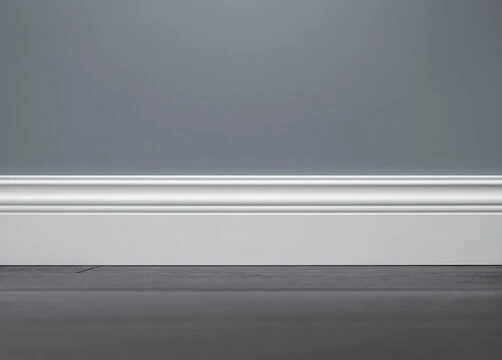
Key Considerations When Choosing Baseboards
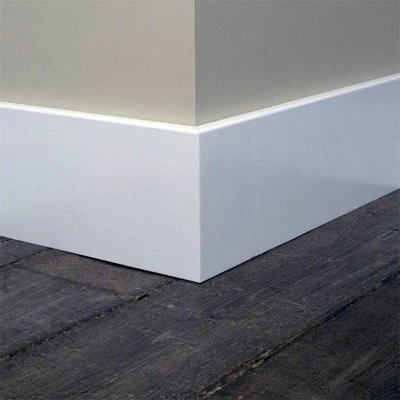
01.Room Style:
02.Budget:
03.Durability:
04.Maintenance:
05.Color and Finish:

If you're planning a specific renovation project, let me know more details-like the room type, design style, or budget-and I can tailor recommendations further. Would you like me to search for current trends or specific baseboard products available online? Alternatively, I can generate a visual chart comparing baseboard material costs or styles if that's helpful!


