


What material is better for drawer side board,Poplar? Birch?
Apr 07, 2025
Wood Species & Look
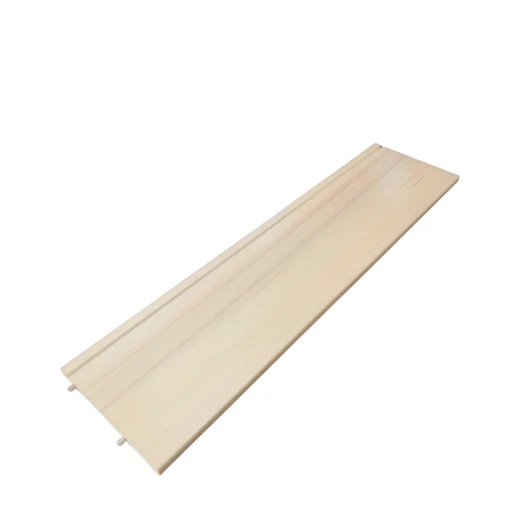
01.Poplar
- Lighter color: pale cream to yellowish brown, with some green or gray streaks.
- Generally has a straight, even grain.
- Softer and more uniform appearance.
- Takes paint well but doesn't stain evenly (can look blotchy).
02.Birch
- Light color too, usually pale yellow to light reddish-brown.
- Finer, more decorative grain pattern.
- Takes stain better than poplar (but still may need a conditioner for even finish).
- Looks a bit more "premium."
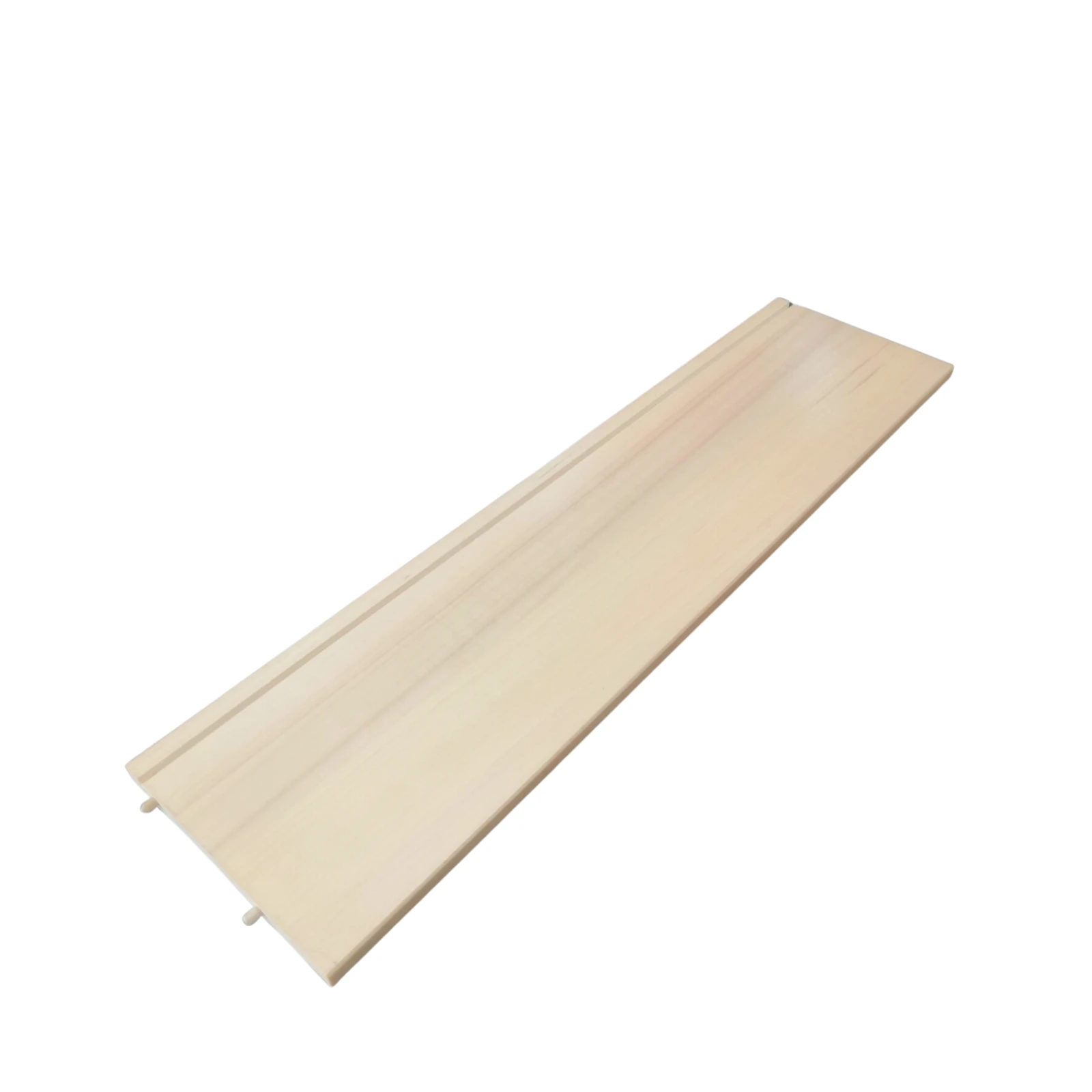
Hardness & Durability
Poplar
- Softer (Janka hardness ~540 lbf).
- Easier to dent or scratch under heavy use.
- Lightweight and easy to machine.
Birch
- Harder (Janka hardness ~1260 lbf for yellow birch).
- More durable and wear-resistant.
- Heavier and more rigid
Workability
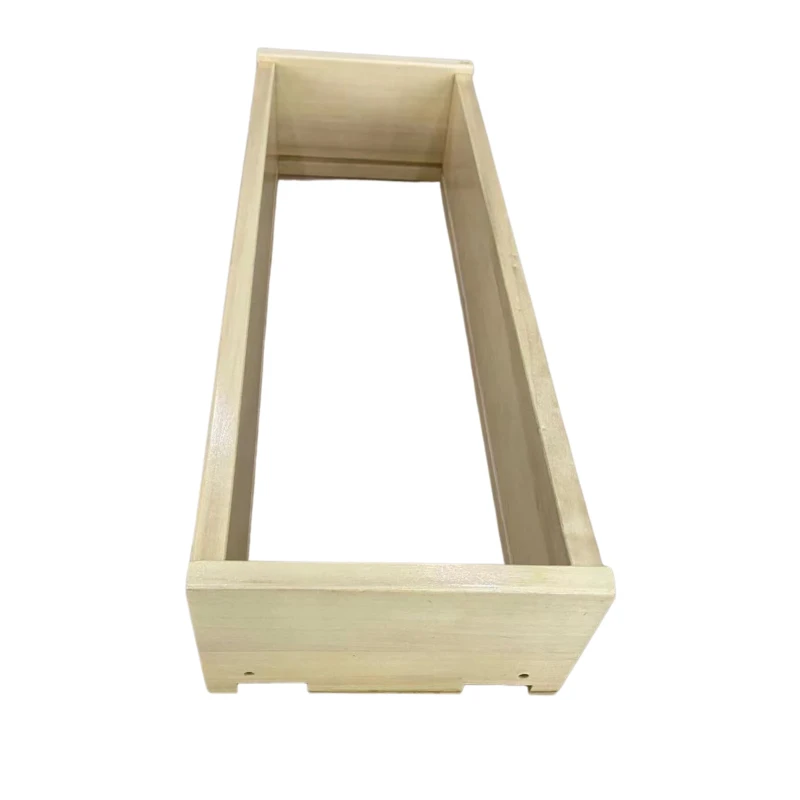
01.Poplar
- Very easy to cut, sand, and machine.
- Great for painted applications or hidden drawer parts.
- Less wear on tools.
02.Birch
- Still easy to work with, but harder than poplar.
- May cause more tool wear.
- Better for projects that will be visible/stained.
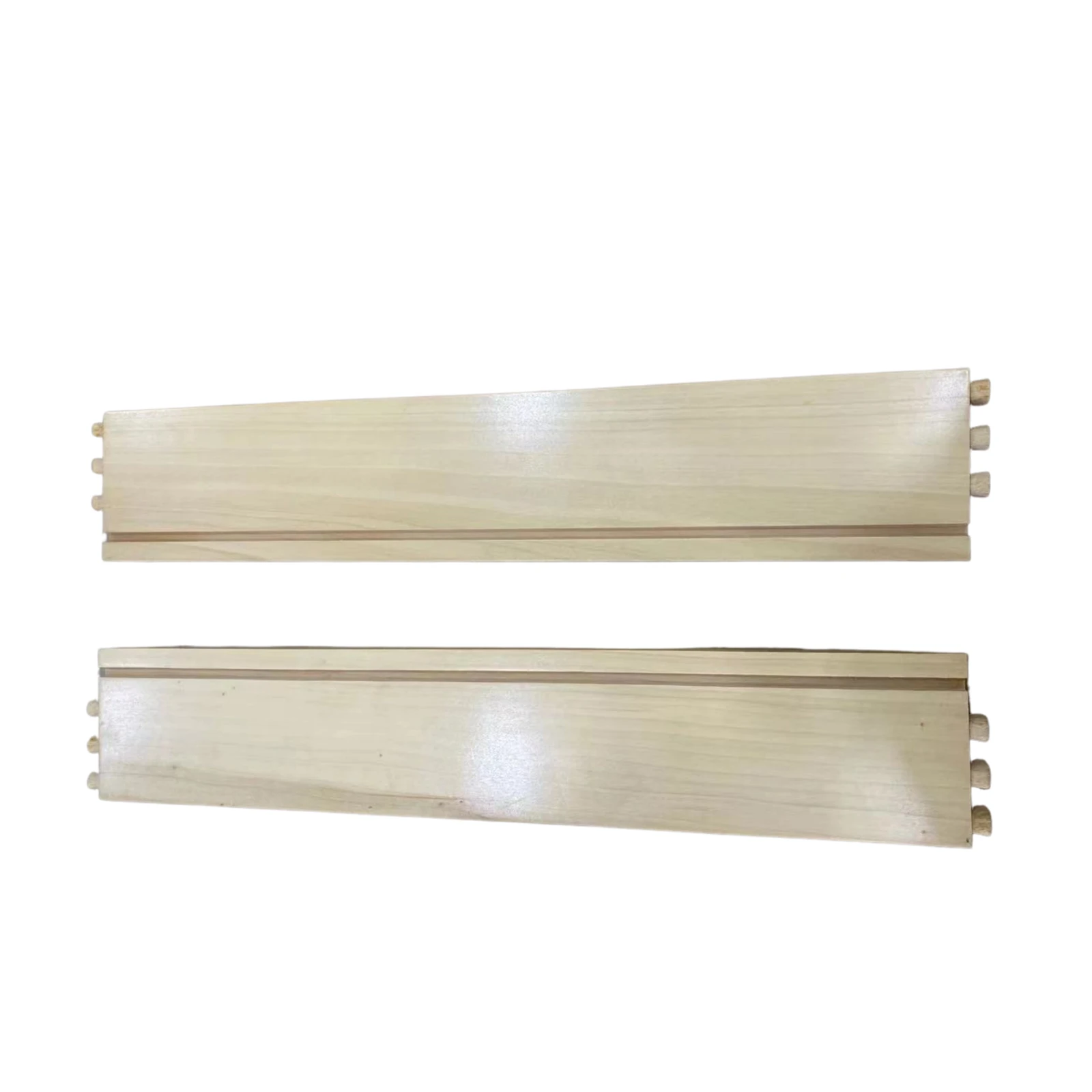
Cost
Poplar
- Generally cheaper, making it a cost-effective option.
- Often used in mass-produced furniture or hidden parts.
Birch
- More expensive, especially for high-grade birch.
- Chosen for its durability and nicer appearance.
Summary: When to Use Which?
| Use Case | Recommended Wood |
|---|---|
| Budget drawer sides | Poplar |
| Painted furniture | Poplar |
| Higher-end/stained furniture | Birch |
| Long-lasting, more durable drawers | Birch |
If you're sourcing for different markets or clients, it can be strategic to offer both options: poplar for cost-sensitive buyers, birch for those wanting premium finishes. Want help drafting a spec sheet or product comparison for clients?


