How to choose solid wood baseboards?
Feb 28, 2024
When choosing solid wood baseboards, there are several factors to consider to ensure you select the right ones for your project:
Wood Species: Different wood species offer varying aesthetics, durability, and price points. Common options include oak, pine, maple, cherry, and poplar. Consider the overall look you want to achieve and the level of durability required for the application.
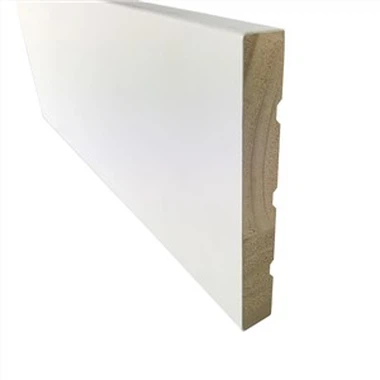
Profile or Style: Solid wood baseboards come in various profiles or styles, such as flat, beveled, rounded, or ornate designs. Choose a profile that complements the architectural style of your home and fits your personal taste.
Width and Height: Baseboards are available in different widths and heights. The width and height you choose can impact the visual proportion of the room. Taller baseboards can make ceilings appear higher and create a more substantial visual impact.
Quality: Look for solid wood baseboards that are free from defects such as knots, splits, or warping. Higher-quality baseboards will have a smoother finish and better overall appearance.
Finish: Decide whether you want to stain or paint the baseboards to match your existing decor. Solid wood baseboards can be stained to enhance the natural beauty of the wood grain or painted to coordinate with the room's color scheme.
Budget: Solid wood baseboards tend to be more expensive than engineered wood or composite alternatives. Consider your budget constraints and weigh the cost against the desired quality and aesthetic appeal.
Installation Method: Determine whether you prefer baseboards that are pre-finished and ready to install or unfinished ones that require staining or painting before installation. Consider your skill level and the amount of time you're willing to invest in the finishing process.
Moisture Resistance: If you're installing baseboards in areas prone to moisture, such as bathrooms or kitchens, choose a moisture-resistant wood species or consider sealing the baseboards with a waterproof finish to protect against damage.
Compatibility with Flooring: Ensure that the chosen baseboards are compatible with the type of flooring in your space. Consider factors such as height, expansion and contraction properties, and installation method compatibility.
By considering these factors, you can select solid wood baseboards that enhance the aesthetic appeal of your space while meeting your functional and budgetary requirements.