What materials are crown molding typically made from?
Mar 22, 2024
Crown molding is typically made from a variety of materials, each offering its own unique characteristics and benefits. Some of the most common materials used for crown molding include:
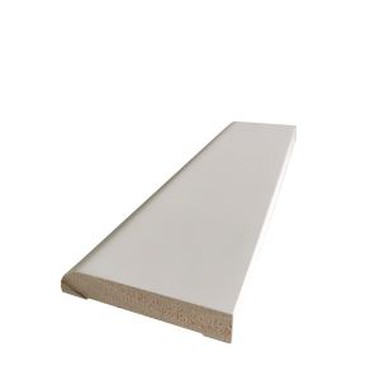
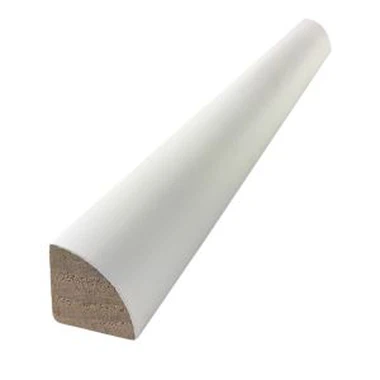
 Wood: Wood is a traditional and popular choice for crown molding due to its natural beauty, warmth, and versatility. Common types of wood used for crown molding include pine, oak, maple, cherry, and mahogany. Wood crown molding can be stained, painted, or left unfinished to showcase its natural grain and texture. It offers timeless elegance and can be easily customized to suit different design styles and preferences.
Medium-Density Fiberboard (MDF): MDF is an engineered wood product made from wood fibers and resin, compressed under high pressure to create a dense and durable material. MDF crown molding is a cost-effective alternative to solid wood molding, offering a smooth and uniform surface that is easy to paint and finish. It is resistant to warping, shrinking, and cracking, making it suitable for a wide range of interior applications.
Polyurethane: Polyurethane crown molding is a lightweight and durable option made from high-density polyurethane foam. It is available in a variety of styles and profiles, ranging from simple to ornate designs. Polyurethane molding is resistant to moisture, insects, and decay, making it ideal for use in areas prone to humidity or moisture exposure. It is also easy to install and requires minimal maintenance.
Plaster: Plaster crown molding, also known as plaster cornice or plaster coving, is crafted from gypsum plaster and hand-applied to create intricate and decorative designs. Plaster molding offers a luxurious and elegant look, with sculptural details and ornate patterns that add grandeur to interior spaces. It is highly customizable and can be tailored to suit specific design requirements, making it a popular choice for high-end and historical properties.
PVC (Polyvinyl Chloride): PVC crown molding is made from synthetic plastic material that is lightweight, durable, and resistant to moisture. It is available in a variety of styles and finishes, including wood grain textures and smooth surfaces. PVC molding is easy to install, requiring no special tools or skills, and is suitable for both interior and exterior applications. It is also low-maintenance and can be cleaned with soap and water.
These are some of the most common materials used for crown molding, each offering its own set of advantages and considerations. The choice of material depends on factors such as budget, aesthetic preferences, durability requirements, and installation considerations.