


Product Knowledge: Quarter Round and Base Shoe Molding
Feb 28, 2025

Quarter round and base shoe moldings are versatile finishing products widely used in interior design and construction. These small, flexible trims serve both decorative and functional purposes, enhancing the appearance of a space while concealing imperfections such as gaps between baseboards and floors. Below is a detailed overview of these moldings, based on the provided description and image context.
In practical use, quarter round and base shoe moldings shine by enhancing the polish and cohesion of interior spaces, while simultaneously addressing common construction challenges.Most frequently installed at the intersection of baseboards and floors, they expertly conceal gaps caused by uneven surfaces or material settling, as vividly illustrated in the image's context. This not only elevates the room's visual appeal but also serves a functional purpose by preventing dust and debris from collecting in hard-to-reach crevices, promoting a cleaner living environment.
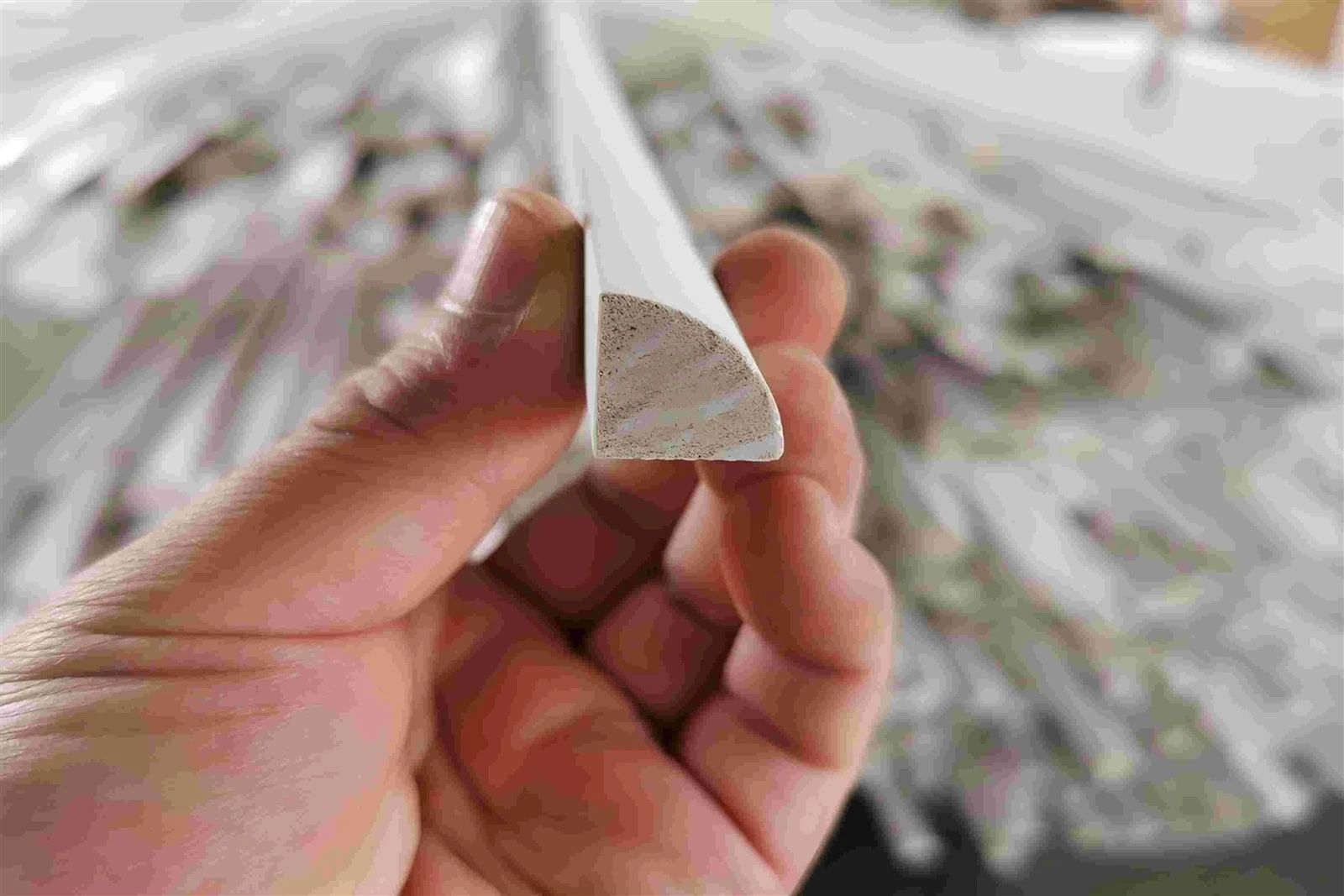
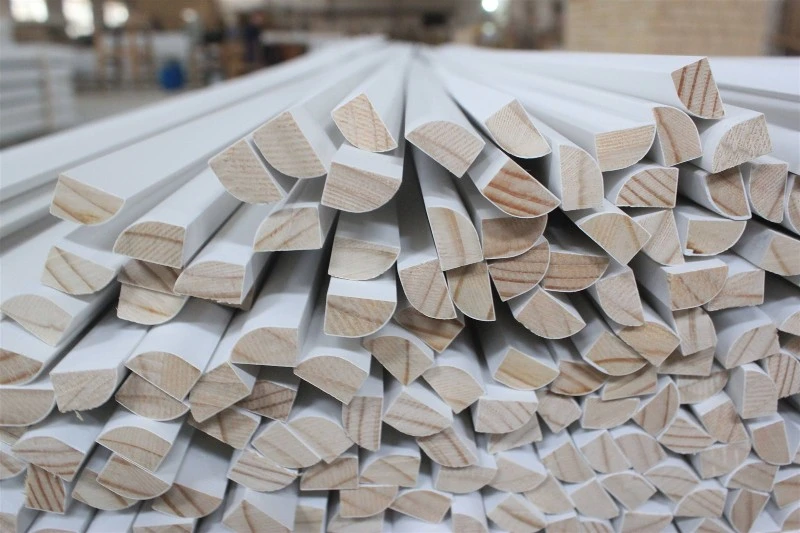
Quarter Round Molding & Base Shoe Molding
Quarter Round Molding
Quarter round molding is a small-gauge, lightweight, and flexible trim with a distinctive quarter-circle cross-section. It features one flat edge that sits against the baseboard or wall and a curved outer edge that provides a smooth, rounded finish. The image shows a piece of quarter round painted white, with a slightly textured surface revealing faint wood grain patterns, indicating it is likely made of wood or a wood-like material such as MDF (Medium-Density Fiberboard).
Quarter round is primarily employed as a decorative build-up element in architectural features. Its most common application is at the lower edge of baseboards, where it hides gaps between the baseboard and the floor. These gaps often occur due to uneven flooring or the natural expansion and contraction of materials like hardwood or laminate. Its flexibility allows it to conform to minor surface irregularities, ensuring a seamless fit.
Base Shoe Molding
Base shoe molding is similar to quarter round in its small gauge and flexibility but differs in its shape. While not explicitly shown in the image, base shoe typically has a flatter top surface and a more pronounced curve, giving it a sleeker profile compared to the rounded quarter round. Like quarter round, it is available in materials such as wood, MDF, or PVC.
Base shoe serves a parallel function to quarter round in flooring applications. It is installed at the base of a baseboard to conceal gaps between the baseboard and the floor, providing a polished transition. Its design makes it particularly suitable for areas where a subtler or more modern look is desired, such as with tile or carpeted floors.
When deciding between these moldings, consider:
Design Style:
Quarter round's rounded profile suits traditional or classic interiors, while base shoe's sleeker shape aligns with modern aesthetics.
Flooring Type:
Quarter round is a go-to for hardwood or laminate, while base shoe might pair better with tile or carpet.
Baseboard Height:
Taller baseboards may balance better with base shoe, while shorter ones often work well with quarter round.
Conclusion
Quarter round and base shoe moldings are indispensable for achieving a refined finish in flooring and architectural projects. The image of quarter round in a workshop setting underscores its readiness for use, with its small size, flexibility, and decorative potential making it a staple in construction. Whether hiding gaps or enhancing a room's aesthetic, these moldings combine functionality with style, catering to a wide range of design needs.


